

2026 Commercial Real Estate Outlook: Optimistic Pressure is Building
As we close out 2025 and look toward the opportunities that 2026 presents, the U.S. commercial real estate (CRE) market finds itself in a state of Recovery
2026 Commercial Real Estate Outlook
As we close out 2025 and look toward the opportunities that 2026 presents, the U.S. commercial real estate (CRE) market finds itself in a state of Recovery, albeit within a persistently challenging macro-environment. We characterize the current condition not as a setback, but as a measured move in industry hopefulness. While this period is marked by market volatility, there is a concealed optimism building, driven by compelling valuations that are simply too cheap to ignore, creating strategic opportunities for investors ready to act decisively.
Status of the Recovery: A Delay, Not a Pause
The full recovery, which many anticipated would materialize in 2025 (“Survive until ‘25”), has been temporarily delayed. Unpredictable global macro-conditions, characterized by persistent, uneven inflation and escalating geopolitical tensions that disrupt global supply chains, coupled with policy uncertainty, driven primarily by shifts in central bank rate guidance, are collectively influencing the speed at which the industry can fully stabilize.
Despite this near-term need for caution, the underlying sentiment remains robust as noted by Deloitte’s 2026 commercial real estate outlook survey:
- Persistent Optimism: The latest CRE outlook sentiment index scored 65. While slightly below last year’s peak of 68, this is a significant and confident rebound from the 2023 trough of 44, reflecting a market that is stabilizing and adapting.
- Fundamental Expectations: A strong majority of the respondents (65%) continue to anticipate that CRE fundamentals—including rental rates, leasing activity, and vacancies—will improve through 2026. This suggests that the current volatility is viewed as temporary, not structural.
- Market Performance Turning: The property markets appear to have already turned a corner on the recent downturn. Investment volume declines have reduced for six consecutive quarters, culminating in the first year-over-year increase since mid-2022 in the first quarter of 2025. Similarly, private real estate has logged positive total returns for three consecutive quarters after two years of negative results.
The Case for Value: Discounts Not Seen Since 2008
The hesitation by many investors, which has depressed transaction volumes, has paradoxically created a unique opportunity centered on compelling asset valuation. U.S. commercial real-estate values are, on average, still down 17% from their 2022 peaks, with offices and apartments showing especially deep discounts of 36% and 19%, respectively. This level of price decline has occurred only a handful of times in U.S. history, namely during the early 1990s and the 2008 Global Financial Crisis. Real-estate stocks now appear to be the cheapest they have been relative to U.S. equities in two decades. This pricing disparity has led institutional investors to purchase more U.S. property than they have sold so far in 2025—the first time in three years they have been net purchasers, signaling a potential shift in capital allocation.
Macroeconomic and Policy View: Headwinds and Catalysts
The primary driver for the delay remains the uncertain global macro environment. CRE leaders are rightly grappling with significant, interconnected headwinds:
Headwinds: Rates, Capital, and Uncertainty
The top three macroeconomic concerns impacting financial performance for the next 12 to 18 months are consistently cited as capital availability, elevated interest rates, and the subsequent cost of capital. These factors are intrinsically tied to concerns about accessing CRE debt markets amid the perception of “higher for longer” rates. Compounding this, trade and regulatory uncertainties—including changes in tax policy—have complicated long-term decision-making.
Catalysts: A Policy Shift and Tax Benefits
Fortunately, positive policy catalysts are beginning to provide tailwinds:
- The Fed Pivot: We saw a positive shift in Fall 2025, when the U.S. Federal Reserve cut interest rates twice by 25 basis points for the first time in nine months, with indications of more cuts expected. This move, however incremental, signals an easing capital markets climate and is driving optimism about future debt availability.
- Tax Policy Certainty: The “One Big Beautiful Bill” (H.R. 1), signed into law on July 4, 2025, introduced significant, permanent tax provisions that directly benefit real estate investment. Most notably, the law made the return of 100% bonus depreciation permanent for qualifying property, and it delivered a crucial extension and expansion of the Opportunity Zone program. These provisions create powerful new planning opportunities for enhancing after-tax returns and accelerating capital deployment.
Lending Market Stress: A Tale of Two Markets
The CRE lending market continues to exhibit a “tale of two markets.” While new loan origination is improving, existing loans are often stressed by refinancing challenges and potential defaults. However, we are seeing new loan volume recover to levels not seen since early 2023. The cautious re-entry of traditional lenders, coupled with the tightening of commercial mortgage loan spreads, signals an ongoing, fundamental improvement in the debt markets. This improvement is heavily supported by the massive influx of alternative capital, where private credit funds are stepping up to fill the void left by cautious banks.
Industry View: Strategic Shifts and Targeted Opportunities
In response to this volatile yet recovering landscape, CRE organizations are adopting a pragmatic playbook emphasizing agility, selectivity, and specialized knowledge.
Capital Commitment and Focus
Investor commitment remains strong, with nearly 75% of the Deloitte Survey respondents planning to increase their investment levels over the next 12 to 18 months. They view real estate as an essential tool for diversification, a potential hedge against inflation, and a stable asset class in a volatile world.
Asset Class Priorities
Investment strategy is sharpening its focus on sectors insulated from near-term cyclical headwinds:
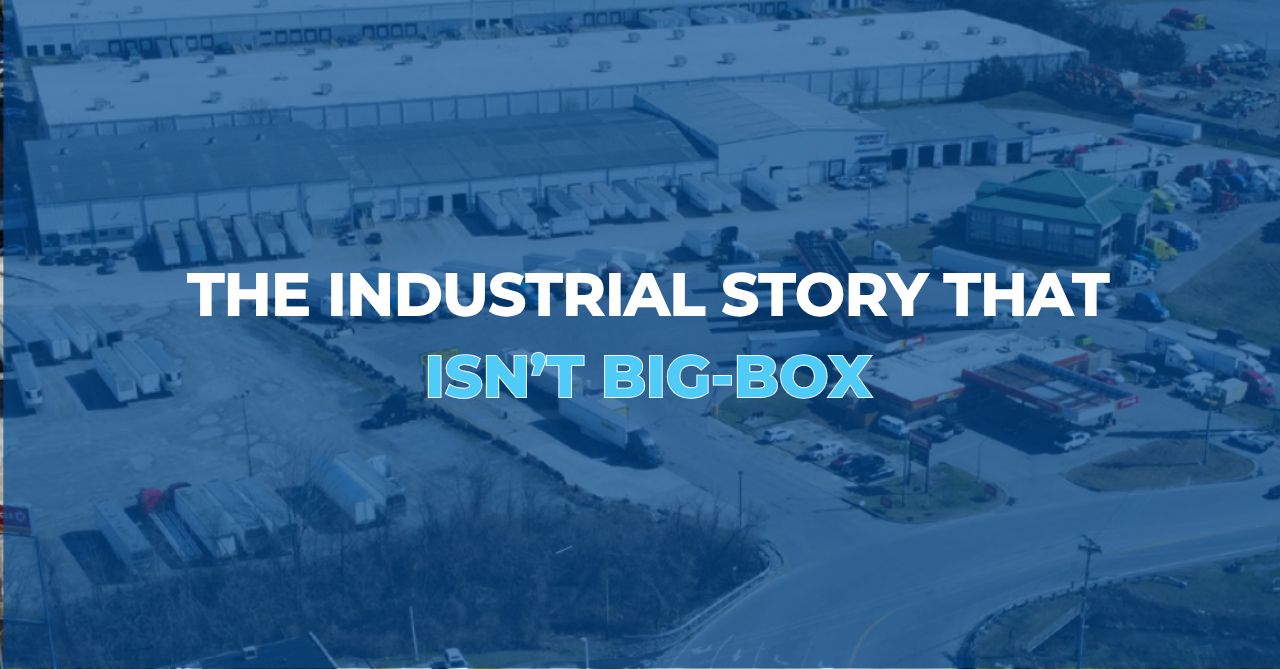
- Small-Bay Industrial: This remains a top-tier sector, underpinned by structural demand patterns related to e-commerce fulfillment, inventory optimization, and the long-term trend of onshoring and nearshoring manufacturing capacity.
- Retail: The retail sector, in particular, is positioned for substantial leverage due to supply constraints. As little new product has been built in the retail segment in over a decade, this tightening supply points to an extended period of strong rent growth and reliable income generation.
- Alternative Sectors: Health care and specialized housing are highly favored, while office is showing a measured rebound, with both suburban and downtown offices increasing in property sector rankings for the second consecutive year. Investors are selectively targeting modern, amenity-rich assets in prime locations, confirming the bifurcation toward high-quality, resilient products. Furthermore, data centers and life sciences are attracting institutional capital at an accelerated pace, reflecting long-term demand drivers that maintain stability even during macroeconomic downturns.
Conclusion: Driving the Unpredictable Road
The CRE recovery is navigating a challenging transition. It’s like a car driving on an unpredictable, winding road: the engine of the market is strengthening—evidenced by positive returns and increased lending activity—but external forces, particularly interest rates and policy uncertainty, require the driver to slow down and exercise extra caution.
Excelsior Capital believes 2026 will be defined by strategic, informed decision-making about which lanes (asset classes and partnerships) to take. The era of market-wide, broad-stroke optimism is replaced by an environment where selective deployment and operational excellence will generate outsized returns. We are ready to execute.
Previous Articles








Excelsior Capital
A real estate private equity firm that owns and operates high quality multi-tenant office assets in emerging secondary markets.
Interested in learning more about Excelsior's investment opportunities?
Tag Cloud

Company
Investors
Excelsior Capital
104 Woodmont Blvd, Suite 120
Nashville, TN 37205
investors@excelsiorgp.com
Disclaimer: Under no circumstances should any information presented on this website be construed as an offer to sell, or solicitation of an offer to purchase any securities or other investments. This website does not contain the information that an investor should consider or evaluate to make a potential investment. Other materials related to investments in entities managed by Excelsior Capital are not available to the general public.